
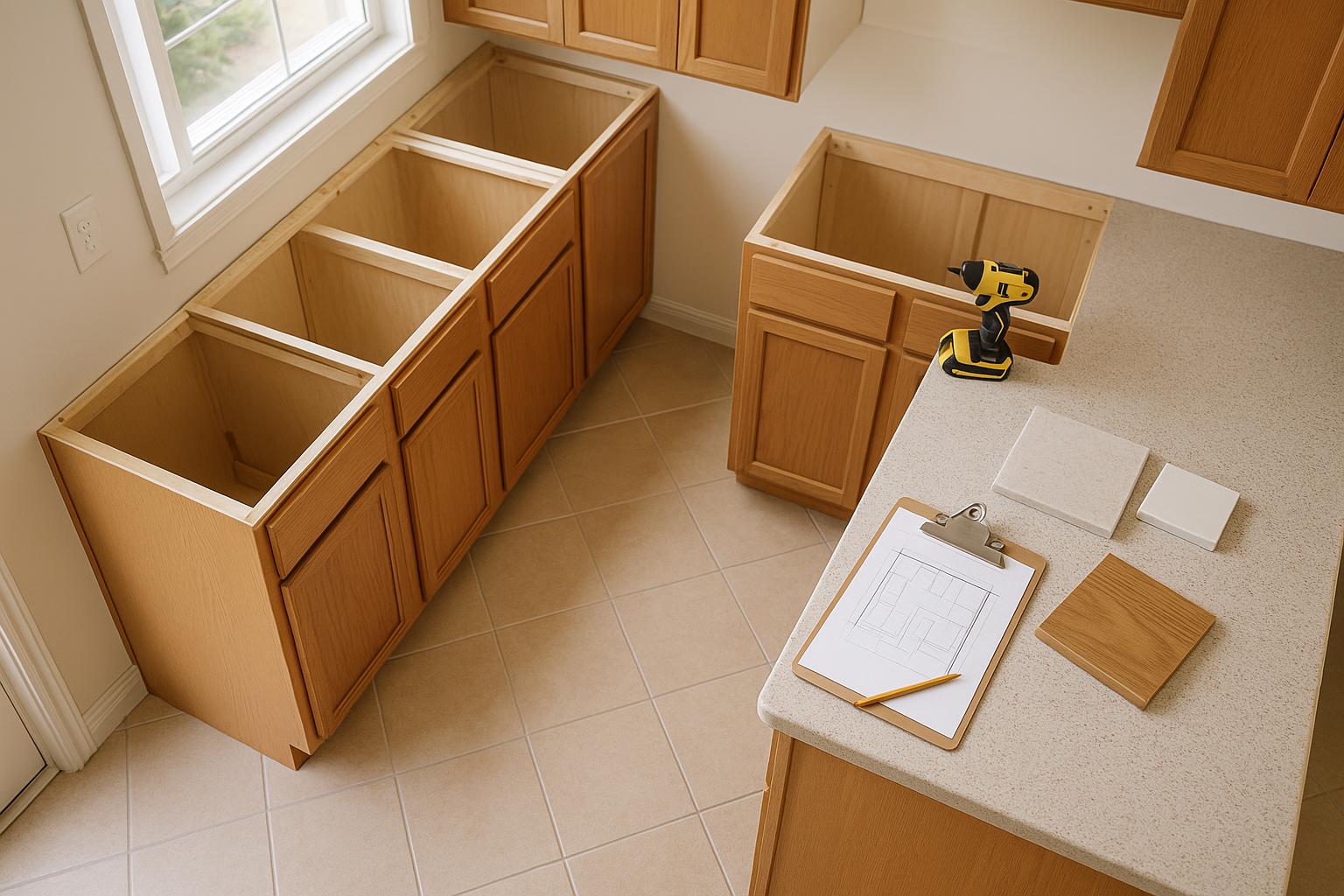
Why Remodel Timelines Go Off the Rails
If you've ever talked to a friend or neighbor in Miami Gardens who went through a home remodel, you've probably heard a version of the same story: "It was supposed to take six weeks, but it ended up taking four months." Timeline overruns are one of the most common frustrations homeowners face during a renovation, and they don't just cause inconvenience — they can blow your budget wide open.
The good news is that most delays are preventable. With the right planning, clear communication, and a realistic understanding of what goes into a remodel, you can set a timeline that holds up from demolition day to your final walkthrough. Here's how to do it.
Start With an Honest Assessment of Your Project Scope
The first step to building a realistic remodel timeline is understanding exactly what you're asking for. A cosmetic refresh — new paint, updated hardware, a fresh countertop — is a completely different animal than a full gut renovation with new plumbing, electrical work, and custom cabinetry.
Here are some general timeframes Miami Gardens homeowners can expect:
- Bathroom remodel (cosmetic): 2–3 weeks
- Bathroom remodel (full): 4–6 weeks
- Kitchen remodel (cosmetic): 3–4 weeks
- Kitchen remodel (full): 6–12 weeks
- Countertop installation only: 1–2 weeks (including templating and fabrication)
- Flooring installation: 1–2 weeks depending on square footage
These are ballpark figures, and every home is different. Older homes in neighborhoods like Carol City or Opa-locka may need additional time for bringing systems up to current building codes. The key is to have an honest conversation with your contractor before any work begins.
Build in a Buffer for Permits and Inspections
In Miami-Dade County, most remodeling projects that involve structural changes, plumbing, or electrical work require permits. The permitting process can add anywhere from a few days to several weeks to your timeline, depending on the complexity of the project and the current workload at the building department.
A common mistake homeowners make is assuming permits happen instantly. They don't. A reputable remodeling company will factor permit timelines into your project schedule from the start, so there are no surprises down the line. If a contractor tells you permits aren't necessary for work that clearly requires them, consider that a red flag.
Pro Tip: Don't Skip the Pre-Construction Meeting
Before any demolition begins, sit down with your contractor and walk through the entire project plan step by step. This meeting should cover the order of operations, expected inspection dates, material delivery schedules, and what decisions you'll need to make along the way. At Alder ADU Builders, we make this a standard part of every project because it eliminates most of the confusion that leads to delays later.
Order Materials Early — Especially Right Now
Supply chain disruptions have eased since the pandemic years, but lead times on certain materials can still catch homeowners off guard. Custom cabinetry, imported tile, specific countertop slabs, and specialty fixtures can take weeks or even months to arrive.
Here's a practical approach:
- Finalize your design selections before construction starts. Changing your mind on tile three weeks into a bathroom remodel is one of the most common causes of delays.
- Order long-lead items first. Your contractor should identify which materials need to be ordered early and build the schedule around their expected arrival.
- Have backup choices ready. If your first-choice flooring is backordered, having a second option already picked out means you won't lose weeks waiting or scrambling.
This is especially important for homeowners in Miami Gardens and surrounding areas like Miramar and Pembroke Pines, where demand for remodeling services stays high year-round. When contractors are busy, even small delays in material delivery can push your project behind other jobs on the schedule.
Understand the Order of Operations
Remodeling projects follow a logical sequence, and understanding that sequence helps you see why certain things take time. For a full kitchen remodel, the typical order looks something like this:
- Demolition and removal of existing materials
- Rough plumbing and electrical work
- Inspection of rough work
- Drywall repair and installation
- Cabinet installation
- Countertop templating, fabrication, and installation
- Backsplash and tile work
- Flooring installation
- Final plumbing and electrical (fixtures, outlets, lighting)
- Interior painting and finishing touches
- Final inspection and walkthrough
Each step depends on the one before it. You can't install countertops until cabinets are in place and level. You can't do final paint until tile and trim work are complete. When homeowners understand this flow, they're less likely to feel anxious about what looks like slow progress during certain phases.
Communication Is the Secret Weapon
The single biggest factor that separates a smooth remodel from a stressful one isn't the size of the budget or the complexity of the design. It's communication. Homeowners who stay in regular contact with their contractor — and contractors who proactively share updates — almost always finish closer to schedule.
Ask your remodeling company these questions before you sign a contract:
- How often will I receive progress updates?
- Who is my main point of contact during the project?
- How do you handle unexpected issues or change orders?
- What's your policy if the project falls behind schedule?
At Alder ADU Builders, we keep Miami Gardens homeowners informed at every stage because we've seen firsthand how much smoother projects go when everyone is on the same page. No one likes surprises when their kitchen is torn apart.
What About Living in Your Home During the Remodel?
This is a question we hear constantly, and the answer depends on the scope of the project. A bathroom remodel in a home with two bathrooms? You can absolutely stay. A full kitchen renovation? You'll want to set up a temporary kitchen area — a microwave, a mini fridge, and a coffee maker in another room can go a long way.
For larger projects, plan for some disruption to your daily routine and factor that into your timeline expectations. A project that takes six weeks might feel manageable on paper, but living without a functional kitchen for six weeks requires some real preparation. The faster and more efficiently the work gets done, the sooner you get your home back.
Set Yourself Up for Success
A well-planned remodel timeline isn't about rushing through the work. It's about eliminating wasted time so every day on the job counts. When you choose a remodeling partner who plans thoroughly, communicates clearly, and manages the details from design through final walkthrough, you're far more likely to finish on time and on budget.
If you're a homeowner in Miami Gardens, North Miami Beach, or anywhere in the surrounding area and you're starting to think about a kitchen remodel, bathroom renovation, or any interior upgrade, the best time to start planning your timeline is right now — before you pick up a single tile sample. Reach out to Alder ADU Builders and let's map out a schedule that works for your home and your life.